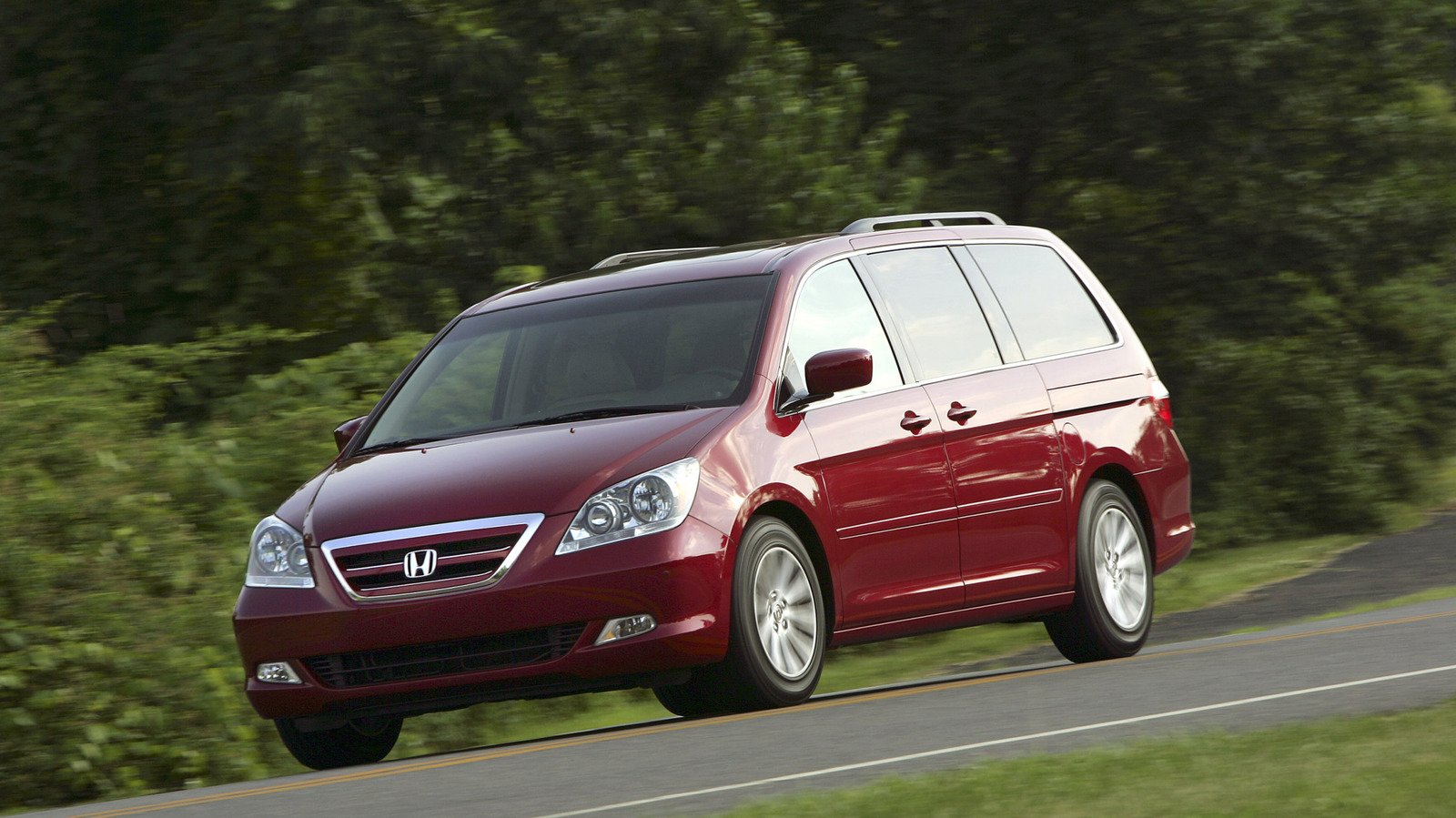
In an intriguing intersection of luxury and utility, the Michelin PAX run-flat tire system has found a home in both the Bugatti Veyron and Honda Odyssey, showcasing an unexpected technological bond between these disparate vehicles. Despite their obvious differences, such as performance pedigree and target market, both models incorporate this sophisticated but now-defunct tire technology.
Michelin first revolutionized the tire industry with the launch of the patent-pending radial tire in 1946. Fast forward to 2004, the company once again aimed to reinvent the wheel—literally—by introducing the PAX system, designed to mitigate the inconvenience of punctures. While several vehicles adopted this technology, most notably, the Bugatti Veyron, Rolls-Royce Phantom, and Honda Odyssey, its usage remained limited. Ultimately, modern automobiles have reverted to conventional inflatable tires, rendering the PAX system applicable to hypercars and family minivans alike.
Understanding the Michelin PAX System
The PAX system was not just a typical run-flat tire; it consisted of three integral components. The tire itself, while varied in design between models, was supported by a specialized inner structure resembling a bicycle tire tube. This frame serves as a rigid base to hold the tire in place when flat, akin to other run-flat technologies. Notably, a polyurethane ring allows the flat tire to behave like a robust donut, facilitating a safe drive to a service center without immediate replacement.
The third component, unique to PAX, is a specialized groove inside the wheel rim. Unlike conventional tires held in position by air pressure, PAX tires depend on this groove for mechanical seating, which necessitates both the tire and a compatible rim for optimal functionality. This innovation aimed to reduce weight compared to standard run-flat systems, enhancing ride quality and improving suspension performance—a notable benefit, particularly for the performance-focused Bugatti Veyron.
The Downfall of the PAX System
The primary reason for the PAX system’s limited adoption lies in the reluctance of automakers to design entirely new wheels for a singular tire technology. Vehicles equipped with the PAX system included the Honda Odyssey from 2005 to 2007, the Nissan Quest from 2006 to 2007, and the Acura RL from 2006 to 2007. Michelin’s withdrawal from further development became evident when only two major manufacturers utilized the system. While many armored vehicles still leverage this technology today, it remains a niche application.
Mounting these specialized tires was not straightforward. They were costly and required specific tools and training, as the wheels and inner structures were incompatible with conventional tire mounting equipment. Consequently, finding a service center equipped to handle PAX tires became a challenge, particularly in rural areas following a flat.
Furthermore, as Michelin licensed its technology, more advanced run-flat systems emerged in the market over the past two decades. Current technologies typically utilize reinforced sidewalls capable of supporting vehicle weight temporarily, addressing many of the limitations faced by the PAX model. While the PAX system contributed to the evolution of tire technology, it never fully realized its intended potential.