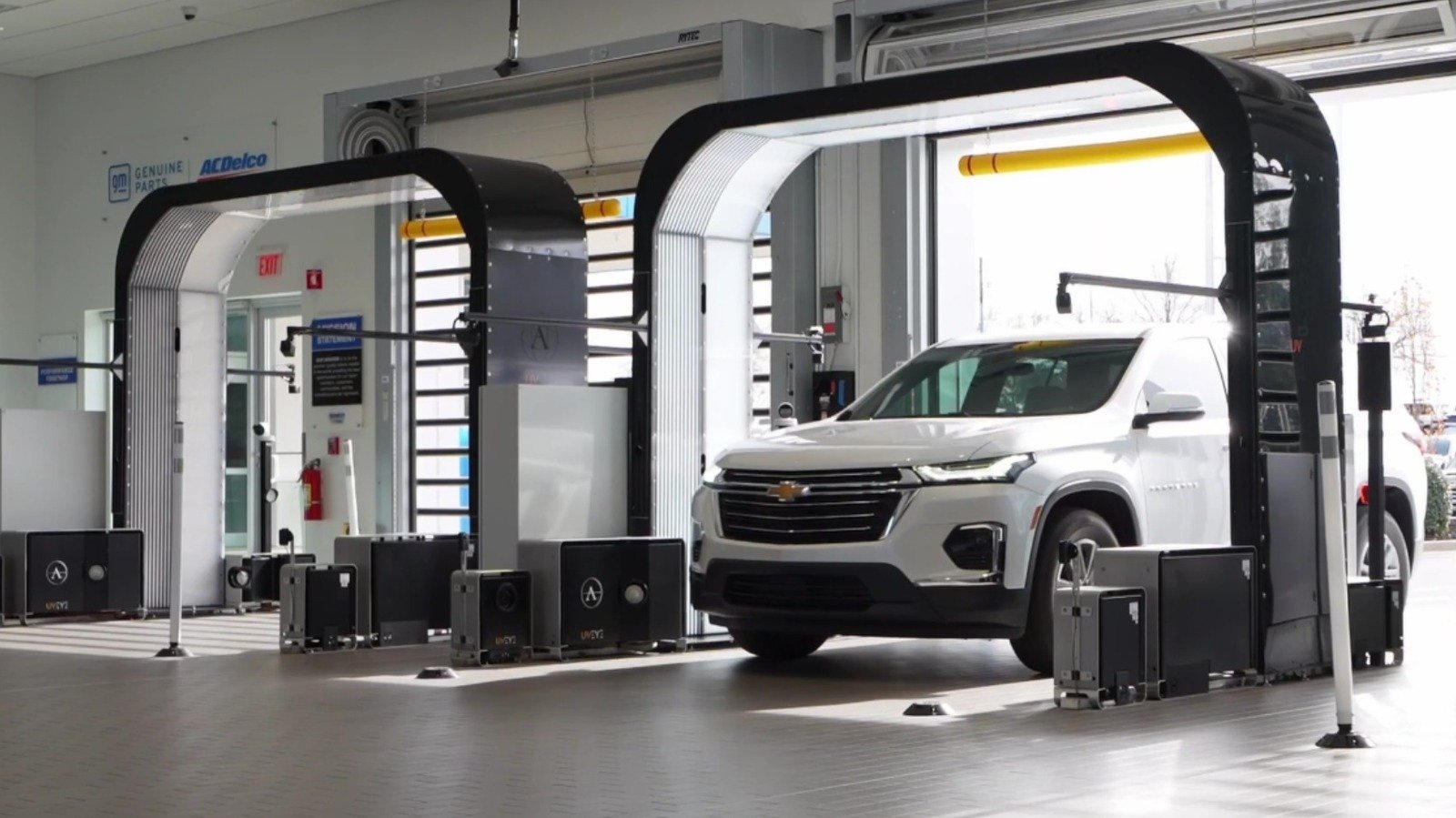
A new technology dubbed UVeye, which is often referred to as the „MRI for cars,“ has the potential to revolutionize vehicle inspections by utilizing advanced scanning systems. Developed by the eponymous company, UVeye employs a series of automated scanners to thoroughly analyze vehicles for various issues without the need for traditional manual checks or lifts. This innovative tool could significantly enhance the efficiency of mechanics and dealerships in identifying problems ranging from tire wear to rust damage.
The UVeye system functions similarly to airport security scanners, capturing comprehensive imagery of a vehicle as it passes through the scanning lane. Equipped with over 20 cameras, the technology generates approximately 1,000 images from different angles, facilitating a detailed assessment of a vehicle’s condition. The results are uploaded directly to the cloud, allowing technicians to quickly reference the findings at any time.
This tool can assist dealers in diagnosing potential issues within vehicles or enable mechanics to inspect for defects reported in the vehicle’s history. The process is designed to evaluate numerous components rapidly, showcasing the advanced capabilities of the UVeye system.
Scanner Functions and Capabilities
According to UVeye, its technology utilizes three primary systems: „Artemis“ scans tires for visible wear or damage, „Helios“ examines the chassis for any structural issues including leaks, while „Atlas“ and „Atlas Lite“ identify cosmetic damages to the vehicle’s exterior. The primary aim is to offer a comprehensive overview of a vehicle’s condition.
In partnership with manufacturer Hypertec, UVeye is working to produce these scanning machines, with reports indicating that several hundred units are already in operation at dealerships across the United States as of September 2025. Notably, specialized models for larger vehicles, such as trucks and buses, are being developed to facilitate an automated 17-point inspection process.
As UVeye continues to expand its reach, the deployment of its scanners, such as the first installation in Iowa planned for April 2026, suggests a growing recognition of its utility in automotive maintenance. Ultimately, this technology may offer a precise and effective approach to vehicle inspections, allowing technicians to allocate their time and resources more efficiently in maintenance operations.