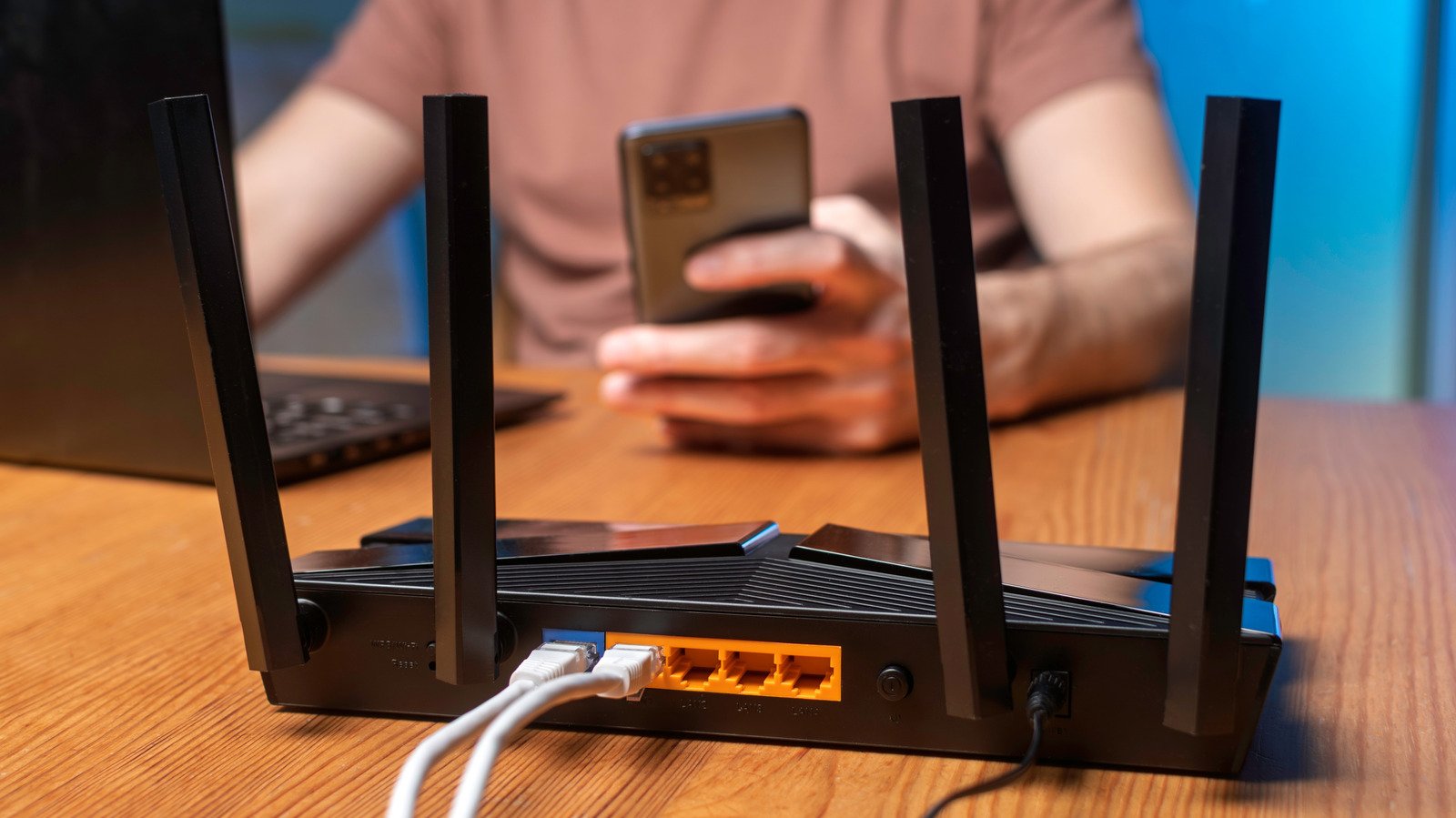
In light of recent developments, it is essential for consumers to assess the state of their home Wi-Fi routers, especially if they are no longer receiving software updates. According to a report by Parks Associates, approximately 71% of U.S. households with internet access rely on routers provided by their Internet Service Providers (ISPs). While this „set-and-forget“ approach works for many, it is crucial to recognize that routers serve as the primary line of defense for home network cybersecurity, necessitating regular updates to mitigate vulnerabilities.
For those using routers purchased from manufacturers such as Asus, Archer, or TP-Link, the burden of updates falls on the user. If a router ceases to receive updates—for instance, due to an expired support cycle or new restrictions on foreign-made devices—an upgrade becomes imperative. Recent government measures, including a comprehensive FCC ban on foreign-manufactured routers, add an additional layer of complexity to the situation, impacting both the availability of security updates and consumer choice.
Without Security Updates, a Router Becomes a Significant Vulnerability
When a router is no longer maintained with security updates, it creates a potential target for cyberattacks. Manufacturers generally provide security patches through firmware updates, which are essential to protect against evolving threats. Cyber attackers continuously seek and exploit vulnerabilities, making it imperative to keep routers updated. Failing to do so can be analogous to ignoring a broken lock on one’s front door. Once a network is compromised, personal devices such as smartphones and laptops are at risk.
Older routers not only lack security but may also perform poorly as they typically operate on outdated Wi-Fi standards. Upgrading to a newer model—particularly one that supports Wi-Fi 7—can substantially enhance both speed and connectivity for multiple devices. With Wi-Fi 7’s advanced security features, homeowners would benefit from better protection against common cyber threats.
The U.S. Government’s Foreign Router Ban Complicates Upgrades
Furthermore, an impending
Experts warn that this ban may hinder manufacturers from supplying timely updates to U.S. consumers, especially once the grace period ends in March 2027. This scenario could lead to what is known as „zombie hardware,“ where outdated devices are left without essential support. Currently, only Starlink, a service led by Elon Musk, produces routers domestically, but it is primarily aimed at satellite internet users, not those reliant on fiber or cable services.
With approximately a year remaining until the foreign ban is fully enacted, consumers may face a critical window for replacing outdated routers with newer models that support contemporary standards such as Wi-Fi 7. Though even new devices could face challenges in update availability post-ban, they will likely receive better long-term support than older models.