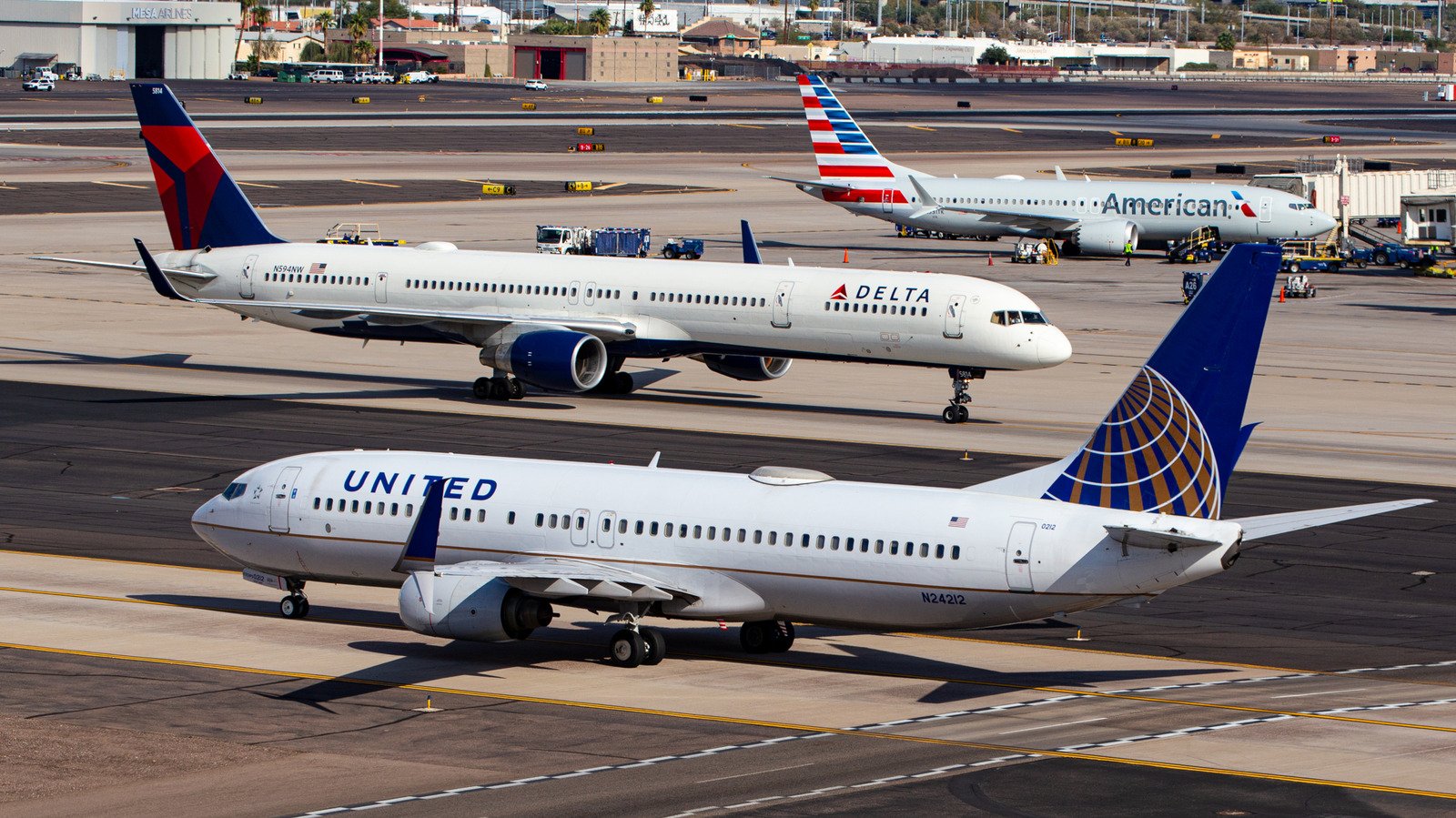
Recent reports indicate that discussions regarding a potential merger between American Airlines and United Airlines have surfaced at high levels within the industry. According to these reports, United Airlines CEO Scott Kirby has shared the idea with officials in the Trump administration. However, the likelihood of such a merger occurring is extremely low, primarily due to American Airlines’ strong opposition to the proposal. In a statement, American Airlines expressed that the merger would be “negative for competition and consumers” and indicated that it is not “involved or interested in any such dialogue,” effectively rejecting the hypothetical notion.
Even if American Airlines had shown a more favorable response, the chance of the merger coming to fruition remains slim. The U.S. airline industry is already highly consolidated, with the four largest carriers, including American and United, controlling approximately 80% of domestic capacity. A merger between these two airlines would result in the creation of the world’s largest airline, which would undoubtedly face intense antitrust scrutiny.
While the probability of a merger is low, if it were to occur, travelers would likely feel the financial impact, as diminished competition on overlapping routes could lead to increased ticket prices. Historical precedent supports this assertion. The merger between Delta Air Lines, noted for offering some of the best in-flight entertainment, and Northwest Airlines serves as a case study of the ramifications following the consolidation of major airlines.
What History Shows Happens After a Merger
The Delta and Northwest merger exemplifies how airline consolidations affect passengers. This merger created the largest airline in the world and marked the beginning of a trend that has reduced the number of major U.S. airlines from seven to the current four that dominate the market.
Travelers can take some solace in knowing that ticket prices do not immediately soar after a merger. A 2015 study analyzing the Delta/Northwest merger found that ticket prices remained stable or even slightly decreased before the merger was fully completed. However, the study concluded that overall prices were higher than they would have been had the merger not occurred.
Additionally, airline networks are likely to change when two major carriers merge. Such consolidations often lead to route overlaps that necessitate reductions or restructuring. However, the newly merged airline would likely operate a larger network, providing more destinations through its hubs.
Furthermore, the implications of a merger extend beyond just ticket prices and flight schedules. The Delta and Northwest merger was a complex endeavor that spanned nearly two years, encompassing everything from pilot contracts to details as minute as the number of slices for a lime in drinks. During this transition, operational performance suffered, leading to increased delays and customer complaints. Ultimately, however, Delta has improved significantly and is now regarded as one of the most reliable airlines in North America.