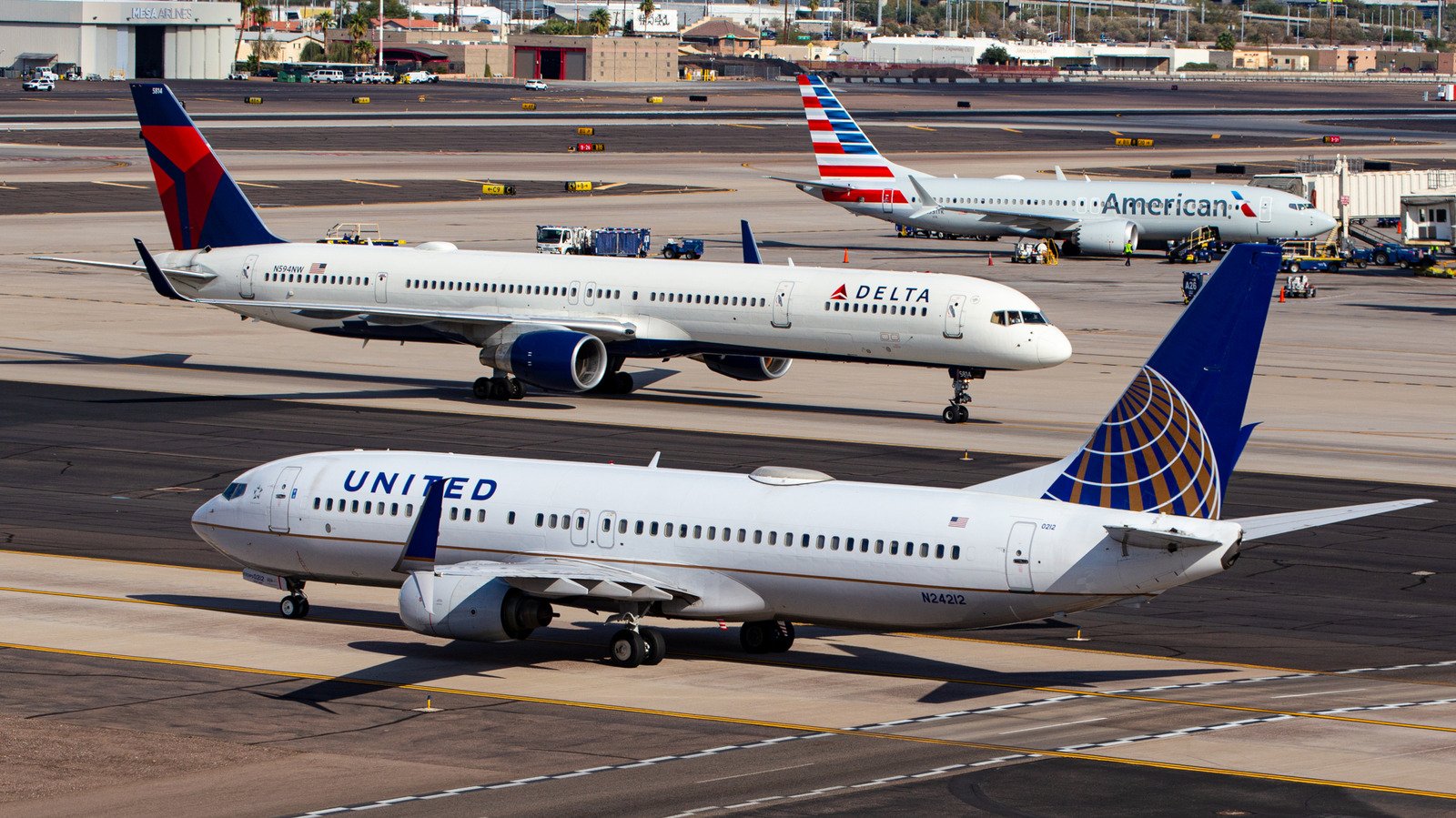
Recent reports suggest that the potential merger between American Airlines and United Airlines has been informally discussed at high levels, reportedly initiated by United’s CEO, Scott Kirby. However, the likelihood of such a merger materializing appears slim, particularly following American Airlines‘ response, which characterized the proposal as “negative for competition and consumers” and stated that the airline was not involved or interested in any dialogue regarding the merger.
Even with a more favorable response from American Airlines, executing a merger would remain improbable, given the current state of the U.S. airline industry. The four largest carriers, including American and United, already account for roughly 80% of domestic capacity. A merger would create the largest airline in the world, likely facing significant antitrust scrutiny.
While the chances of this merger are low, should it proceed, passengers would likely notice the impact most prominently in their wallets. A reduction in direct competition on overlapping routes may lead to increased ticket prices. Historical precedents suggest that the merger between Delta Air Lines and Northwest Airlines serves as a case study, illustrating the potential consequences for consumers when major airlines consolidate.
What History Shows Happens After a Merger
The merger of Delta Air Lines and Northwest Airlines exemplifies how airline consolidations affect passengers. This merger resulted in the largest airline in the world at that time and laid the foundation for a wave of consolidations that have reduced the number of major U.S. airlines from seven to the current dominant four.
Fortunately for travelers, airfare does not immediately rise following a merger. A 2015 study on the Delta/Northwest merger found that ticket prices remained stable or even slightly decreased prior to the full integration of the two airlines. However, the study concluded that overall prices would have been lower had the merger not occurred.
Moreover, a merger typically leads to changes in airline networks. With two major airlines merging, overlapping routes must often be reduced or restructured. Conversely, the newly merged airline may offer a more extensive network of routes and additional destinations through its hubs.
Finally, the impacts of a merger extend beyond fare changes and route adjustments. The integration process, as seen during the Delta and Northwest merger, was complex and spanned nearly two years, addressing issues ranging from pilot contracts to operational procedures. This period saw a decline in operational performance, leading to increased delays and customer complaints. Ultimately, consistent improvements followed, and Delta is now recognized as one of the most reliable airlines in North America.