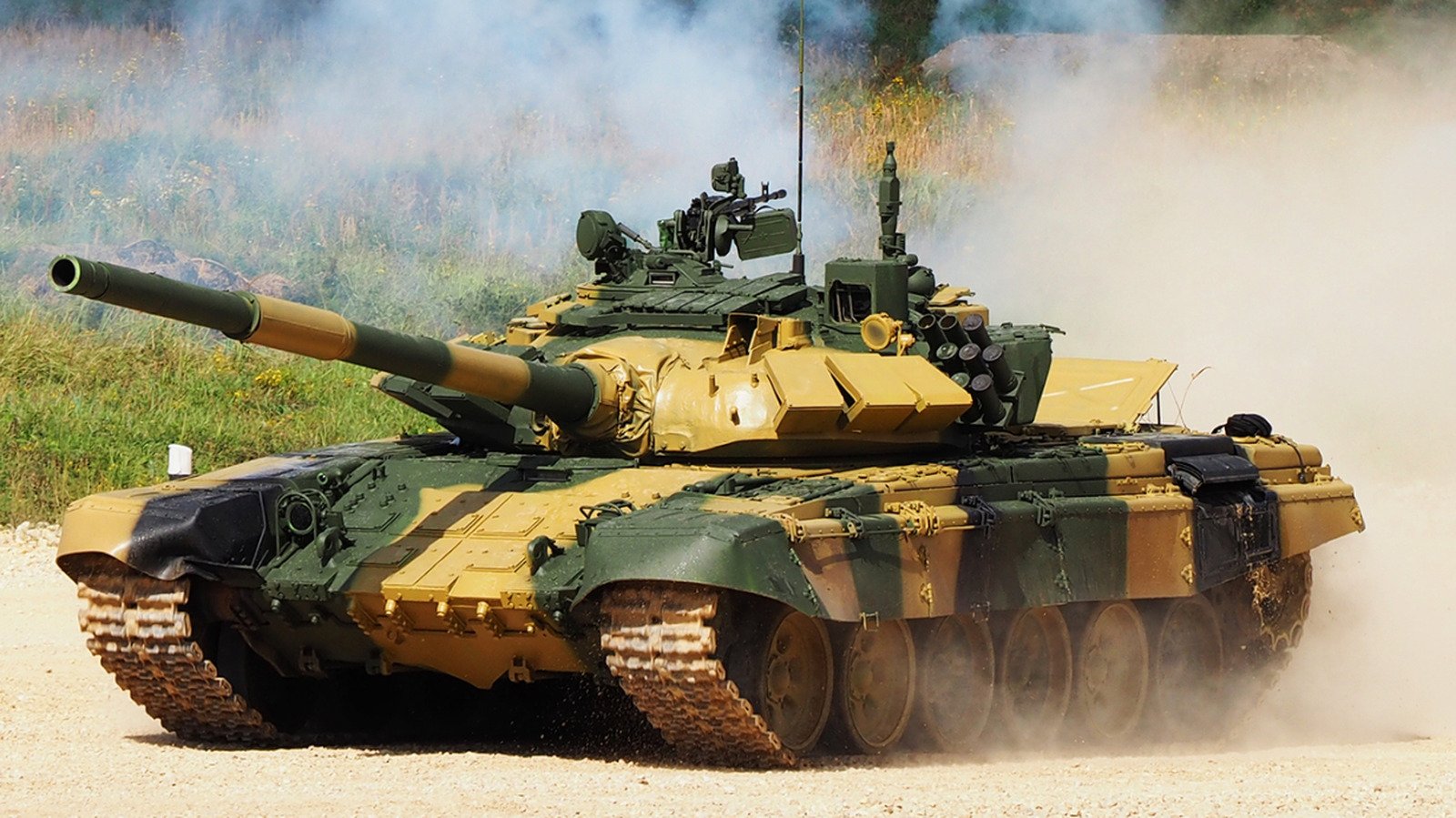
Am 28. Februar 2026 starteten die Vereinigten Staaten und Israel überraschende Angriffe auf die Islamische Republik Iran, was einen umfassenden Krieg auslöste, der sich rasch zu einem regionalen Konflikt entwickelte. Angesichts der Größe des Iran mit über 93 Millionen Einwohnern und seinem stattlichen Militär werfen viele die Frage auf, auf was sich die USA und Israel eingelassen haben. Vor dem Krieg verfügte der Iran über eine beachtliche Anzahl von Kriegsschiffen in seiner Marine, was auch die Bedenken über die Stärke der Bodentruppen aufwarf, falls Kampfeinheiten zwecks Intervention entsandt werden sollten.
Der Iran verfügte vor Ausbruch des Konflikts über ein beträchtliches Militär. Die meisten Panzer stammen von der Sowjetunion, jedoch produziert das Land auch eine Vielzahl eigener Panzer. Zu diesem Arsenal gehören selbstfahrende Artillerieeinheiten, die sich von regulären Panzern unterscheiden, sowie gezogene Artillerie und Mehrfachraketenwerfersysteme. Die geschätzte Anzahl der iranischen Panzer beläuft sich auf etwa 1.900, wobei die genaue Stärke unklar bleibt.
Diese Zahl stammt aus dem Bericht „Iran Military Power“, der 2019 vom US-amerikanischen Verteidigungsgeheimdienst veröffentlicht wurde. Obwohl die Daten möglicherweise veraltet sind, deutet das Fehlen offener militärischer Konflikte mit Panzern in den folgenden Jahren darauf hin, dass die Schätzung von 2019 nach wie vor relevant ist.
Irans Panzerflotte aus der Vorkriegszeit
Der Iran unterhält zwei Bodentruppe: die Bodentruppen der Armee der Islamischen Republik Iran, die als stehende Armee fungiert, sowie die Bodentruppen der Islamischen Revolutionsgarde (IRGC), die getrennt agieren, jedoch weitgehend ähnliche Ausrüstung nutzen. Ein leichter Panzer, der Tosan, ist im Einsatz; es handelt sich um ein inländisches Modell mit einem Gewicht von unter 10 Tonnen. Zudem betreibt der Iran Chieftain-Hauptkampfpanzer (MBT), die auf das inländische Mobarez-Modell aufgerüstet wurden.
Zusätzlich gehören etwa 50 verbesserte M-60A1-Panzer zu seinem Inventar, die von den USA bereitgestellt wurden. Die Panzerflotte des Iran beruht jedoch hauptsächlich auf verschiedenen Versionen des T-72-Panzers, von denen der Iran mehrere Modelle einsetzt. Im Jahr 2020 begann das Land mit der Aufrüstung seiner T-72-Flotte, von der es angibt, 565 Exemplare zu besitzen. Diese Zahl ist schwer zu verifizieren, jedoch ist anzunehmen, dass der Iran zu Beginn 2026 mehrere hundert funktionsfähige T-72 hatte.
Zusätzlich verwendet der Iran drei Varianten des Zulfiqar-Kampfpanzers, der sowohl auf dem T-72 als auch auf dem M-60 basiert und im Iran hergestellt wird. Die genaue Anzahl dieser Panzer bleibt unklar, WarPowerIran schätzt sie auf etwa 250. Der neueste Kampfpanzer, der in Iran entwickelt und in Betrieb genommen wird, ist der Karrar; von diesem sind vermutlich etwa 100 Einheiten im Einsatz. Aufgrund der Geheimhaltung der Regierung und des IRGC ist eine akkurate Einschätzung schwierig, jedoch beläuft sich die Gesamtschätzung auf etwa 1.900 Panzer, die im Vergleich zu Zeiten der westlichen Panzertechnologie, wie dem M1A2 Abrams MBT der USA, nicht mithalten können.