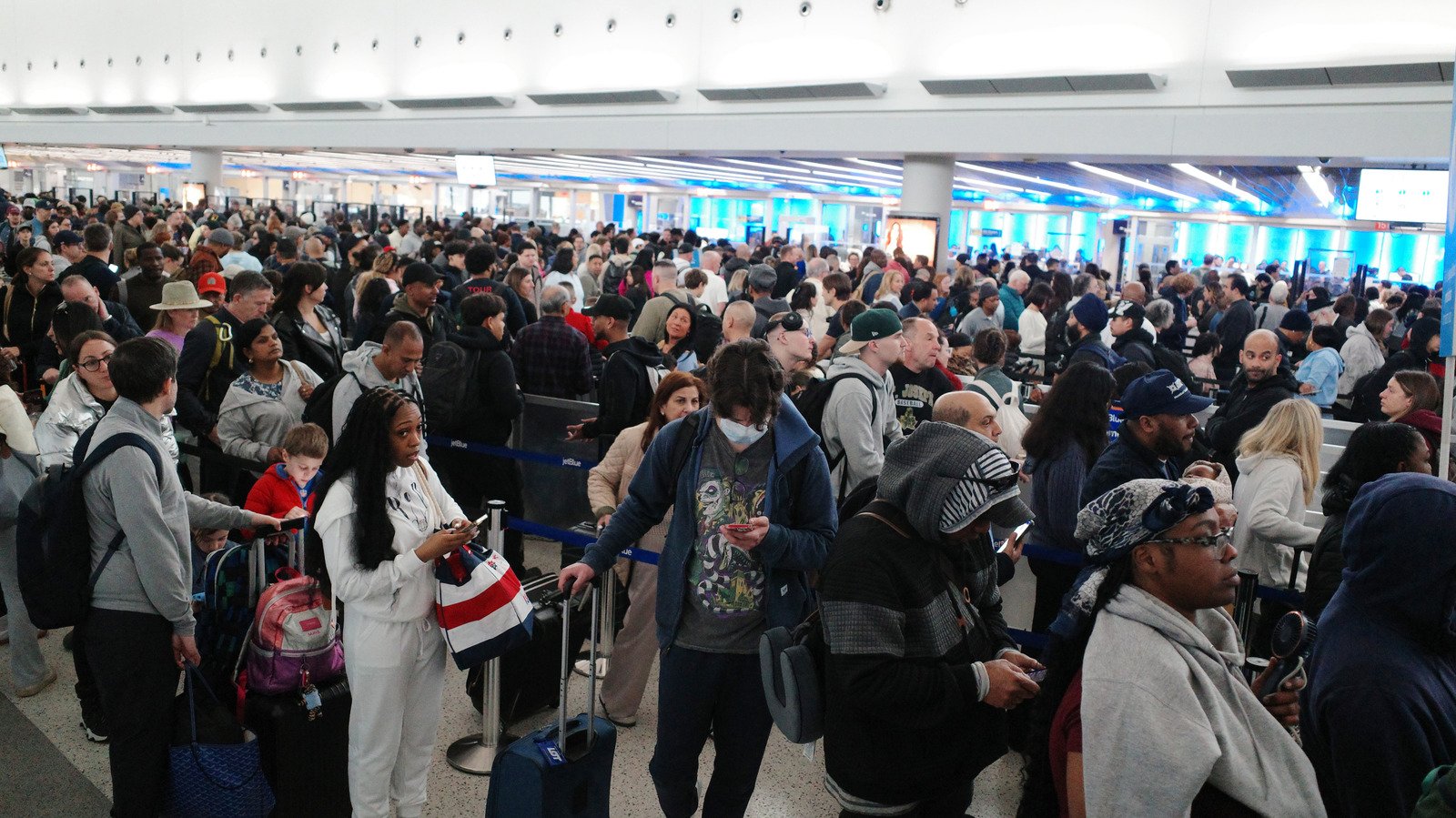
The Transportation Security Administration (TSA) has faced significant scrutiny in 2026 due to long security lines and staffing shortages attributed to an unresolved partial government shutdown. For those who are not frequent flyers, it’s important to understand the role of the TSA, which oversees the safety of transportation systems across the United States, including aviation, highways, and ports. Every day, the TSA inspects nearly 2.5 million passengers at around 440 facilities nationwide. However, not all airports utilize TSA personnel for security screenings.
Currently, there are 20 U.S. airports participating in the Screening Partnership Program (SPP), which allows them to hire qualified private companies to perform security screenings instead of TSA officials. To qualify for the program, airports must contract private firms that operate under federal oversight and adhere to all TSA-required policies and procedures. Approval for participation hinges on ensuring no compromise to traveler safety, an increase in costs, or a decline in the effectiveness of passenger and baggage screening. Furthermore, the TSA dictates all security standards and screening equipment used in these establishments.
While many airports participating in the SPP are smaller facilities, three major airports are also included: Kansas City International, Orlando Sanford, and the San Francisco International Airport (SFO), which is the busiest airport in the program. In 2025, SFO accommodated over 54 million travelers, likely benefiting from the operational efficiencies of private security screenings.
Pros and Cons of the Screening Partnership Program
For most travelers, the distinction between TSA-operated screenings and those conducted at SPP-participating airports is typically unnoticeable. However, recent government shutdowns led to lengthy security wait times at TSA-staffed airports, while those utilizing private security did not experience similar delays. Several TSA employees were unable to report to work due to lack of pay. In early April, President Trump signed an order to retroactively compensate all TSA personnel, leading to a reduction in wait times at affected airports.
Conversely, airports participating in the SPP remained unaffected by the shutdown, as private contractors continued their operations without interruption. While this was a relief for many passengers during stressful travel weeks, concrete evidence for additional benefits such as cost savings or enhanced customer service remains scant. The Trump administration has recently proposed a plan to privatize all TSA screeners to prevent future disruptions during government shutdowns. Although this move is expected to save the government approximately $52 million, it may come at the cost of reduced wages and benefits for contractors. Even so, private security personnel must continue to comply with TSA security standards while maintaining cost efficiency.
For travelers concerned about delays during a government shutdown, opting for SFO or other SPP-controlled airports may offer a more streamlined experience. Alternatively, using a private jet remains an option for those fortunate enough to afford it.