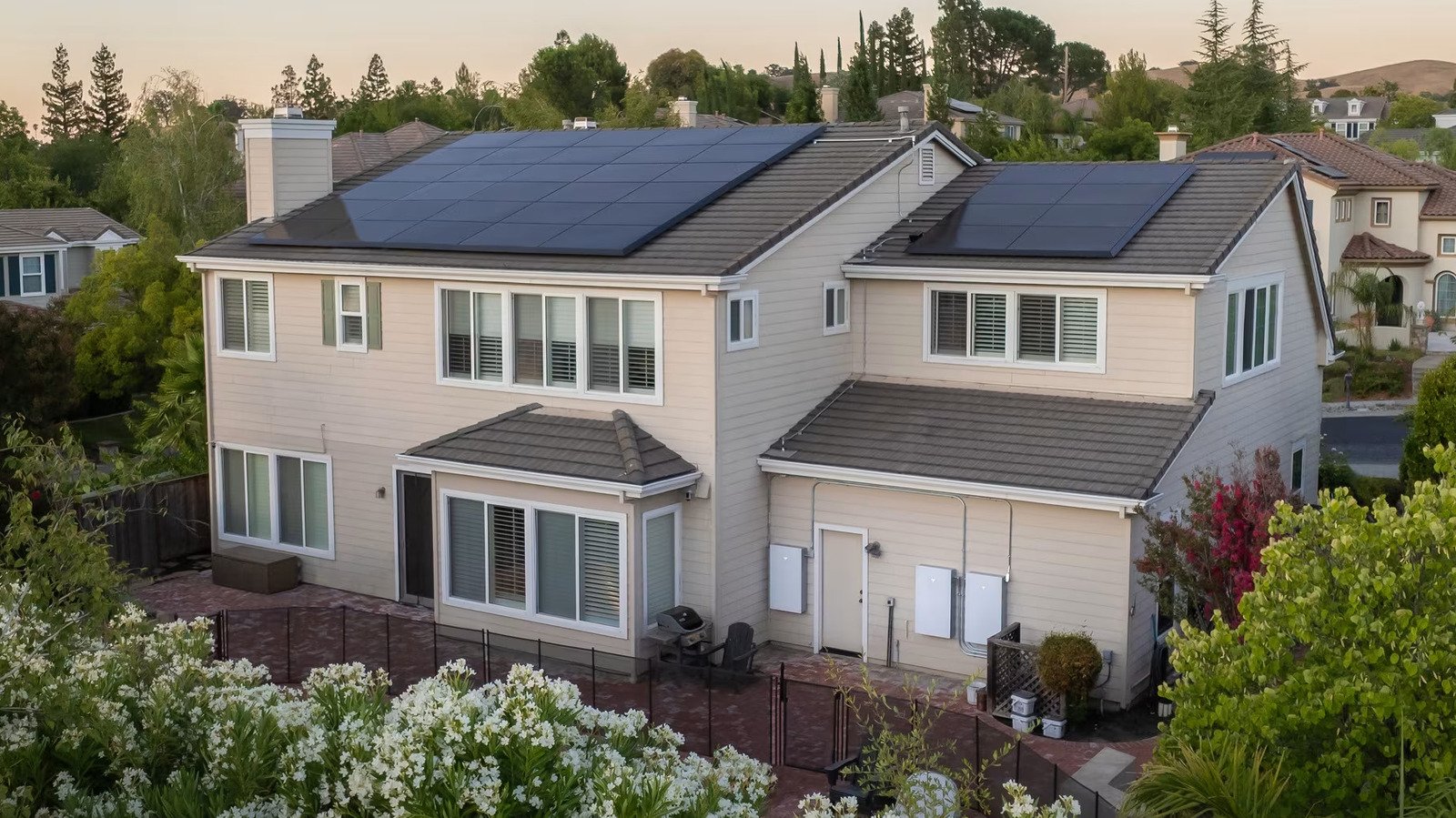
In a significant move toward integrated renewable energy solutions, Tesla has announced the launch of its proprietary solar panels, set to hit the market in early 2026. These panels, produced at Tesla’s factory in Buffalo, New York, are positioned to complement the company’s existing energy storage products, such as the Powerwall, which has gained popularity among homeowners seeking efficient energy solutions.
Tesla emphasizes that the development and engineering of these panels also took place in the United States at its California facility. Each solar panel comes with a 25-year warranty, although recent studies suggest some models may last longer than 30 years, marking an important consideration for potential buyers.
Similar to Tesla’s other energy products, the new solar panels can be conveniently managed via the Tesla app. This app enables homeowners to monitor the performance of their solar systems and offers an off-grid feature that allows temporary disconnection from the electrical grid.
How Do Tesla’s Solar Panels Compare to the Competition?
Tesla’s innovation extends to its solar panels, which boast three times the number of performance zones compared to traditional panels. This additional zoning is designed to enhance efficiency, particularly in partial shade or soiled conditions. Each of the 18 zones within a panel operates independently, minimizing performance loss when faced with shading that would more significantly impact panels with fewer, larger zones.
The installation of Tesla’s panels is facilitated by a unique mounting system that eliminates the need for rails, reportedly simplifying the setup process and reducing overall weight. Visually, the panels feature fully black cells, distinguishing them from conventional offerings. While solar panels may not be financially advantageous for every homeowner, the aesthetics and advanced technology of Tesla’s solar panels present a compelling case for many looking to transition to solar energy.