On February 28, 2026, the United States and Israel launched surprise attacks on the Islamic Republic of Iran, igniting a large-scale war that quickly escalated into a regional conflict. Given Iran’s significant military capabilities, attributed to its population of over 93 million and extensive military infrastructure, the implications of such an operation raise considerable questions about the strategic calculations of U.S. and Israeli forces.
Before the onset of hostilities, Iran maintained a sizable military, particularly within its ground forces. The Iranian tank fleet predominantly comprises Soviet-era models, alongside a number of domestically produced tanks. Reports estimate that Iran possessed approximately 1,900 tanks, though the exact operational status of these vehicles remains ambiguous.
The U.S. Defense Intelligence Agency’s 2019 „Iran Military Power“ report serves as the foundation for these figures. While the data may now be somewhat outdated, the absence of recent open conflicts involving Iranian armored vehicles suggests that the estimates are still largely applicable.
Iran’s Pre-War Tank Fleet
Iran’s ground forces consist of two main components: the regular army of the Islamic Republic of Iran and the ground forces of the Islamic Revolutionary Guard Corps (IRGC). Although these units operate independently, they share similar equipment. Among its assets, the Iranian military employs a light tank named Tosan, though the quantity in operation remains unclear. This indigenous model weighs less than 10 tons. Additionally, Iran operates upgraded variants of the Chieftain main battle tank, referred to as the Mobarez MBT.
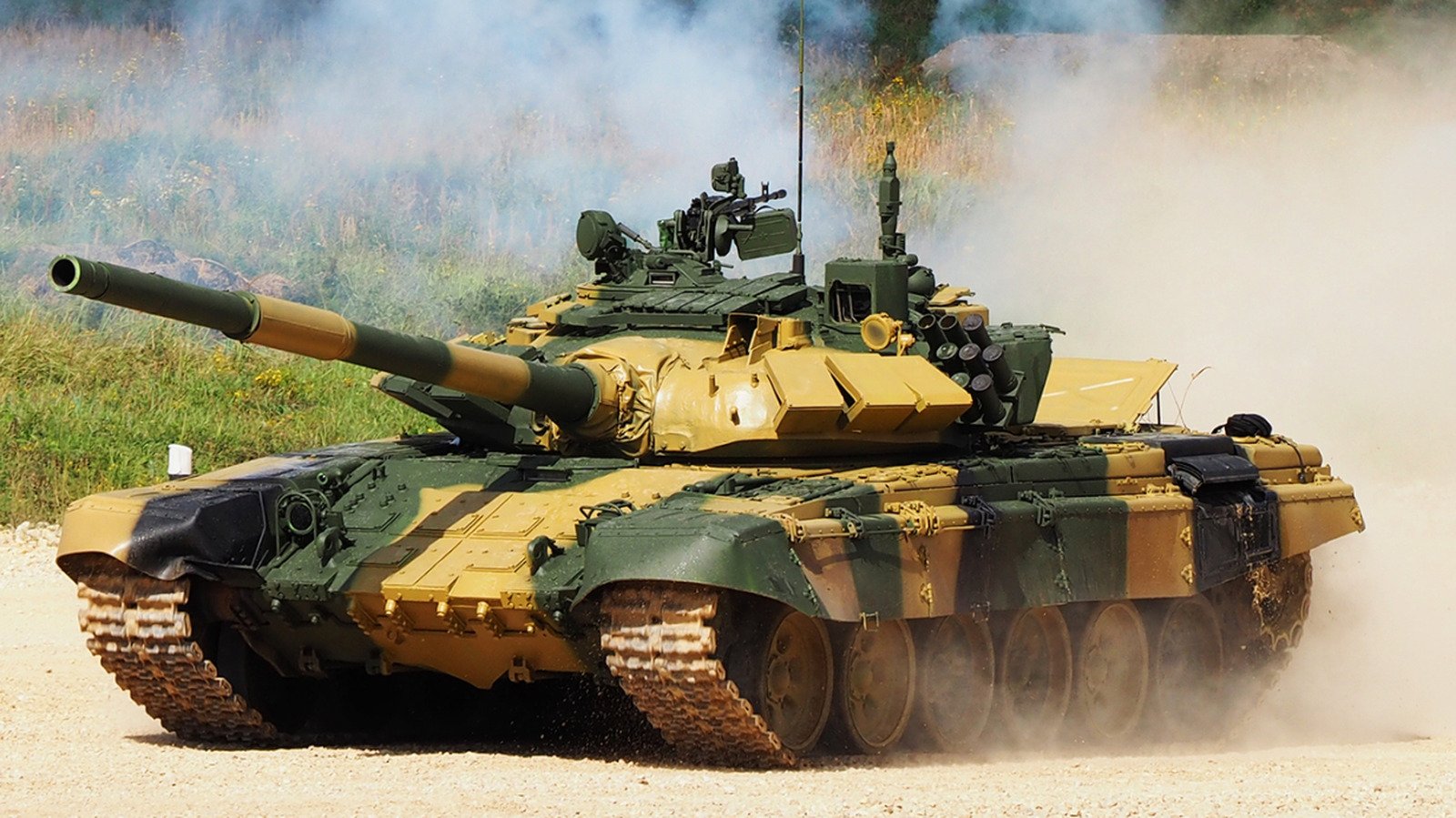
Iran’s armored capabilities are bolstered by approximately 50 upgraded M-60A1 tanks originally supplied by the United States, although these are not seen as particularly formidable. The core strength of Iran’s tank fleet lies in various models of the T-72 tank, with the Iranian military reportedly claiming ownership of 565 units as of 2020. The actual number of operational T-72 tanks at the outbreak of war is difficult to ascertain but is believed to be in the several hundreds.
In addition, Iran utilizes three versions of the Zulfiqar, an indigenous tank based on both the T-72 and M-60 platforms, although estimates regarding the total quantity are variable. Furthermore, the recently developed Karrar tank, also produced domestically, is thought to have around 100 units in service. Given the Iranian government’s penchant for secrecy, precise accounting remains challenging, but overall estimates suggest a total tank inventory of approximately 1,900 vehicles, with many noted models falling short in comparison to Western counterparts such as the U.S. M1A2 Abrams main battle tank.